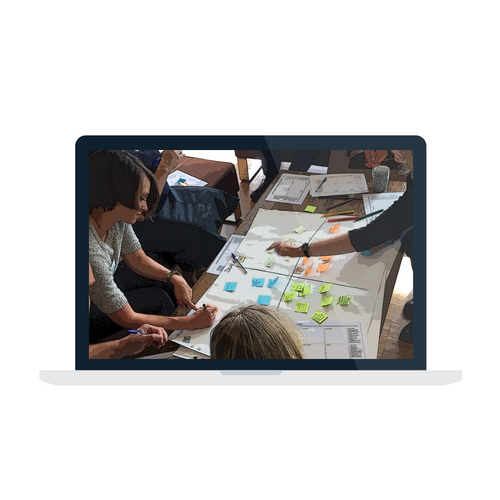
Next Week is Digital Citizenship Week

Standard

Digital citizenship is an important and very relevant concept that we all continuously face. I’ve included some ideas for modeling and engaging with students around this concept that might help you get the ball rolling.

1- Do not check email more than twice a day and not first thing in the morning.

2- Explicitly state why you are (or are not) using digital tools within your lessons. This will help students understand your thinking, and potentially help them relate to the pedagogical moves you make to help shape their focus and engagement.

3- Revisit your classroom routines and policies around tech use with students. Start by asking them:
How are these elements helping you in your learning within the class?
How might we improve our collective adherence to theses elements?

FYI, to celebrate Digital Citizenship Week we will be showing Screenagers during Student Parent Teacher conferences.

Hear How One Teenager Uses Technology

Standard

Note to Self is a WNYC podcast about the human side of technology.  The latest podcast, Back to School Guide: How to Think About Kids and Tech is a powerful first person look into the lives of a high school junior’s life with technology worth checking out.


Gr. 9-10 Road Check

Standard

Thanks for your help completing tablet road checks during consultancy this week and next. If you have an specific questions or would like help let Liz know.

*Grade 11 and 12 road check will happen before February break.

It’s Complicated Part 6 – Drama or Bullying

Standard

Last week we continued our learning by exploring the concept of teen obsession with social media. This week we will step into the realm of  bullying, or as you soon will discover what teens refer to as drama.  boyd’s work in It’s Complicated pp. 128-152 and The Drama! Teen Conflict, Gossip, and Bullying in Networked Publics (2011) will frame our exploration.  While reading these pieces keep in mind the following question:
Is social media amplifying meanness and cruelty?

______________________________________________________________

ABOUT the book

dana boyd (yes her name is in all lowercase) is one of the world’s experts on youth and social media.  Her new book, is now out and certainly worth a read.  There are several copies available for check out in hard copy, however the entire PDF of her work is available for free here. 

its complicated


It’s Complicated Part 4- Sexting

Standard

Last week we looked at boyd’s introduction section on the rhetoric surrounding digital  natives- digital immigrants, and explored the venerable position this type of labeling can bring for ourselves as educators, as well as our students. This week we will continue our learning by looking at the topics of misuse and privacy by looking at sexting.  A recent article in the Atlantic Monthly, Why Kids Sex references dana boyd’s work from It’s Complicated, and exemplifies just how much teenagers and adults a like are grappling with this topic. 

This weeks questions for inquiry are:

  • When teenagers use a smart phone to share nude or semi nude photos with friends, is it a matter of questionable behavior or illegal activity?
  • What is our role, if any, as educators to help them navigate this complicated situation given what we explored three weeks ago regarding networked publics (persistence/visibility/spreadability/searchability)?

Three resources to inform your thinking around this question are:

1.  Chapter 2 privacy why do youth share so publicly in It’s Complicated (starting on p. 56)

2. The Atlantic Monthly’s, Why Kids Sex  article   

3. This short clip from PBS News hour outlining a few specific examples of sexting and just how complicated this style of digital sharing is.

http://c.brightcove.com/services/viewer/federated_f9?isVid=1&isUI=1

______________________________________________________________

ABOUT the book

dana boyd (yes her name is in all lowercase) is one of the world’s experts on youth and social media.  Her new book, is now out and certainly worth a read.  There are several copies available for check out in hard copy, however the entire PDF of her work is available for free here. 

its complicated


It’s Complicated Part 3

Standard

Last week we looked at boyd’s introduction section on networked publics.  We learned more about the opportunities and challenges teens face as they navigate networked publics.   This week we will continue our learning by looking at the rhetoric surrounding teens use of technology with the following questions and pages in the text of It’s Complicated (p. 22-24) in mind:

  • Consider your thoughts regarding this quote on page 22:

“Just because teens are comfortable using social media to hang out does not mean that they’re fluent in or with technology. Many teens are not nearly as digitally adept as the often-used assumption that they are “digital natives” would suggest.”

  • Why is the rhetoric of digital natives-digital immigrants dangerous for us to embrace as educators?

______________________________________________________________

ABOUT the book

dana boyd (yes her name is in all lowercase) is one of the world’s experts on youth and social media.  Her new book, is now out and certainly worth a read.  There are several copies available for check out in hard copy, however the entire PDF of her work is available for free here. 

its complicated


Seven Digital Deadly Sins Multimedia Interactive From the Guardian

Standard

Check out the Seven Digital Deadly Sins interactive, a collaborative between the national film board of Canada and the Guardian.  

It has been 25 years since the invention of the world wide web and more than 2 billion people are now connected. How does this information revolution affect us personally, socially and morally? Jon RonsonBill BaileyBilly BraggJosie Long and others reveal their sinful online behaviour. Find out what pride, lust, greed, gluttony, envy, wrath and sloth mean in the digital world – and cast judgment on the guilty. Will you absolve or condemn them?


It’s Complicated Part 2

Standard

Last week we looked at boyd’s introduction section on media, and pondered our own understanding of social media.  This week we will extend the concept of social media to social networking.  With the following questions and pages in the text of It’s Complicated (p. 8-14) in mind:

  • What is the difference between social media and social networking?
  • How are networked publics different than the publics you knew as a teenager yourself?
  • How are you personally affected by the opportunities and challenges of networked publics outlined on page 11:

-persistence: the durability of online expressions and content;
-visibility: the potential audience who can bear witness;
-spreadability; the ease with which content can be shared; and
-searchability: the ability to find content (boyd, 2014). 

Alternatively if you wish to watch rather than read….


______________________________________________________________

ABOUT the book


dana boyd (yes her name is in all lowercase) is one of the world’s experts on youth and social media.  Her new book, is now out and certainly worth a read.  There are several copies available for check out in hard copy, however the entire PDF of her work is available for free here. 

its complicated


It’s Complicated Part 1

Standard

dana boyd (yes her name is in all lowercase) is one of the world’s experts on youth and social media.  Her new book, It’s Complicated, is now out and certainly worth a read.  There are several copies available for check out in hard copy, however the entire PDF of her work is available for free here. 

its complicated


There is a lot that all of us still have to learn about how our students are living and learning (Ito, 2007) with digital media!  From now until December I will be pointing your attention to specific pieces in boyd’s text as a basis for us to check our current understanding, and be gain additional knowledge into the complexities of how our students interact with digital media.


To start:

Read the introduction section from pages 6-8.  What is your own definition of social media?  How did it change after reading this text.